Niagara communities
West Lincoln and Smithville Mortgage Broker
Family subdivisions in Smithville, farms and acreage across the township, and a lot of self-employed trades and trucking households. What the $660,000 benchmark takes, and how to get business income counted.
Reviewed November 13, 2026 · Indicative figures, OAC
West Lincoln at a glance
- Benchmark price
- $660,000
- Property tax rate (approx.)
- 1.19%
- Minimum down at benchmark
- $41,000
- Ontario LTT at benchmark
- $9,675
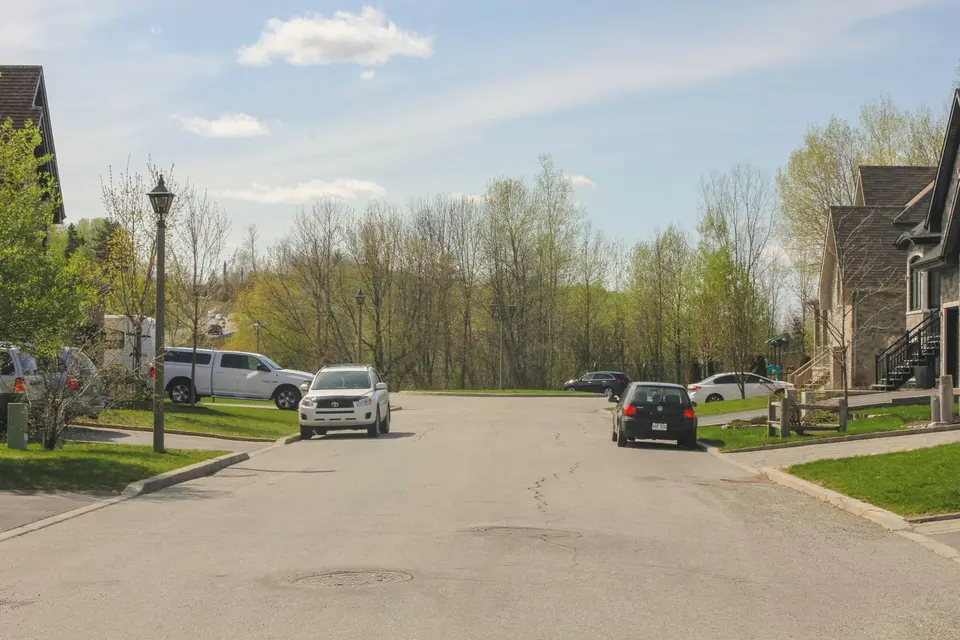
West Lincoln is the township on Niagara's western edge, above the escarpment and south of Grimsby and Lincoln. Smithville is its main urban area, with municipal water and sewer and most of the township's subdivision homes. Around it are smaller communities such as Wellandport, Caistor Centre and Abingdon, and a large agricultural area. The composite benchmark is about $660,000.
The residential tax rate is approximately 1.19%, about $7,854 a year or $655 a month at the benchmark. Confirm the current rate and your assessment with the Township of West Lincoln.
Two markets: Smithville and the countryside
Smithville subdivisions
Young families come to Smithville for newer detached homes and townhouses at prices below Grimsby, within driving distance of Hamilton and the QEW corridor. Buying new from a builder qualifies for the 30-year insured amortization whether or not you are a first-time buyer, and first-time buyers of new homes may be eligible for the federal GST rebate and Ontario's matching HST rebate; confirm both with your real estate lawyer.
Rural West Lincoln
Outside Smithville, homes generally rely on private services: some have drilled or dug wells, and cisterns are common. Lenders typically require:
- a potable water test for bacteria, and for wells sometimes a flow test;
- a septic inspection ($400 to $800), with a holdback or decline possible if the system is failing;
- an appraisal that values the home and usually up to about 10 acres, with little or no value for barns, shops and outbuildings.
Agricultural zoning adds checks on second dwellings, severances and home businesses, so check the current township zoning by-law before you plan around one. A working farm needs agricultural lending, from lenders such as Farm Credit Canada or a credit union. See our rural cistern, well and septic guide and, for larger parcels, the hobby farm guide.
Self-employed trades and trucking
West Lincoln has many households where the income comes from a contracting business, an owner-operator truck or a small farm-related service. These borrowers often earn well but show modest taxable income, because write-offs reduce what appears on the tax return. That is the core problem, and there are three ways to approach it:
- Prime lenders, documented income. A-lenders and credit unions typically average your last two years of income from your tax returns and notices of assessment. Some add back certain non-cash items. Incorporated owners can sometimes combine salary, dividends and retained earnings, depending on the lender and your accountant's statements.
- Stated or reasonable income. Some lenders and insurers have programs for self-employed borrowers with a business history of two years or more, where income is assessed for reasonableness against your industry rather than taken only from the return. Expect a larger down payment or a higher rate.
- Alternative lenders. B-lenders such as Equitable Bank or Home Trust look at bank statements and the overall picture. Rates are higher, terms are usually one or two years, and there is typically a disclosed broker fee of about 1% and often a lender fee. The plan is to move back to a prime lender once the tax returns support it.
Every file is different, and tax planning is a question for your accountant: lowering taxable income saves tax but also lowers what you can borrow. Our self-employed mortgage guide lists the documents to gather, and the B-lender page explains costs. Arrears to the Canada Revenue Agency must usually be paid or on a formal plan before any lender will fund.
Closing costs and qualifying income at $660,000
Worked example: a $660,000 home in West Lincoln
Minimum down, 5-year insured fixed at 4.29% (indicative, OAC), property tax at about 1.19%, $125 a month for heating. Left: a repeat buyer of a resale home at 25 years. Right: a first-time buyer at 30 years with the land transfer tax refund.
| Item | Repeat buyer, 25 years | First-time buyer, 30 years |
|---|---|---|
| Purchase price | $660,000 | $660,000 |
| Minimum down payment (5% of $500,000 + 10% of $160,000) | $41,000 | $41,000 |
| Mortgage before insurance (93.79% loan-to-value) | $619,000 | $619,000 |
| Default insurance premium | 4.00% = $24,760 | 4.20% = $25,998 |
| Insured mortgage | $643,760 | $644,998 |
| 8% Ontario PST on premium (cash) | $1,981 | $2,080 |
| Ontario land transfer tax | $9,675 | $5,675 (after $4,000 refund) |
| Municipal land transfer tax | $0 | $0 |
| Legal, title insurance and disbursements (budget) | $1,850 | $1,850 |
| Cash needed on closing | $54,506 | $50,605 |
| Monthly principal and interest at 4.29% | $3,488 | $3,174 |
| Monthly property tax (about 1.19%) | $655 | $655 |
| Heating allowance | $125 | $125 |
| Monthly housing cost | $4,268 | $3,954 |
| Payment at the 6.29% stress-test rate | $4,230 | $3,954 |
| Household income needed at 39% GDS | $154,152 | $145,653 |
For a self-employed borrower, "income" here means the figure a lender accepts, usually a two-year average from your tax returns, not gross business revenue. Income figures assume no other debts; truck or equipment loans in your personal name count against the 44% TDS limit.
Run your own numbers in the payment and closing cost calculator or the affordability calculator. Nearby, compare Lincoln, Pelham and Wainfleet.
Frequently asked questions
Can a self-employed trucker get a mortgage in West Lincoln?
Yes. Prime lenders typically average two years of income from your tax returns. If write-offs leave that figure too low, some lenders offer self-employed programs that assess income for reasonableness, and B-lenders can use bank statements, at higher cost and with disclosed fees.
What tests do lenders need on a rural West Lincoln property?
Usually a potable water test for bacteria, sometimes a flow test on a well, and a septic inspection that costs about $400 to $800. Order them as soon as your offer is accepted so a failed test can be retested before your financing condition expires.
How much do I need down for a $660,000 home in Smithville?
The minimum is $41,000: 5% of the first $500,000 plus 10% of the remaining $160,000. With that minimum, a repeat buyer needs about $54,506 in cash at closing, including PST on the premium, land transfer tax and legal costs.
Do lenders give value to barns and shops on acreage?
Usually very little. Many A-lenders value the house and up to about 10 acres, so outbuildings and extra land may add little to the lending value even if they add to the price.
What is the property tax rate in West Lincoln?
Approximately 1.19%, about $655 a month on a $660,000 home. Confirm the current rate and your assessment with the Township of West Lincoln.
Pre-approval & rate review
Get your Niagara mortgage numbers checked
Tell us where you are buying or what you owe. We reply by email, usually within one business day, with options from across the lender tiers.
- A licensed advisor reviews your numbers against A-lenders, Ontario credit unions and alternative lenders.
- Rate holds of up to 120 days on purchases and renewals (lender-dependent).
- On prime files the lender pays the brokerage, so there is no fee to you; any fee on alternative or private files is disclosed in writing first.
- Nothing goes to a lender or credit bureau until you say so.
Prefer email? Write to hello@mortgageniagara.com.