Niagara property specialists
Mortgages for Rural Niagara Homes with a Cistern, Well or Septic System
A rural home with a cistern or septic bed is perfectly financeable. What changes is the paperwork, the conditions in your offer, and how much of the land the lender will actually count.
Reviewed November 13, 2026 · Indicative figures, OAC
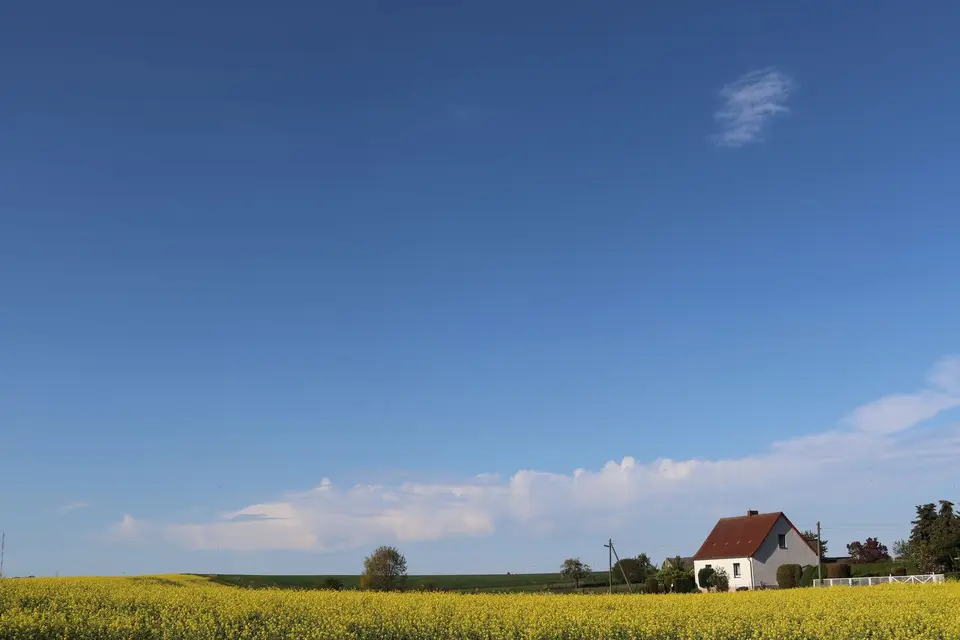
Rural Niagara is not on city water
Drive south of Highway 3 in Wainfleet, through the concession roads of West Lincoln, or out past Fenwick in Pelham, and a large share of homes are not connected to municipal water or sewer. Parts of Lincoln and Niagara-on-the-Lake are the same. Instead you find:
- Cisterns: a storage tank, usually concrete, filled by roof runoff or by hauled water delivered by truck. Where groundwater is scarce or poor in quality, as it is in parts of Wainfleet and West Lincoln, cisterns are common.
- Wells: dug wells (shallow, wide, more exposed to surface contamination) and drilled wells (deeper, cased, generally more reliable).
- Septic systems: a tank and a leaching bed on the property in place of a sewer connection.
None of these is a deal-breaker for most lenders. They are reasons for conditions. The lender needs to know the home has safe drinking water and working waste disposal, because a home without either is hard to live in and harder to sell.
- Septic inspection (typical)
- $400–$800
- Land many A-lenders value
- ~10 acres
- Wainfleet approx. tax rate
- 1.28%
- Max insured LTV, house and lot
- 95%
What the lender asks for
Water: potability, and sometimes flow
Expect a condition for a potable water test: a bacteriological sample (total coliform and E. coli) analysed by a lab. In Ontario, private well owners can submit samples through Public Health Ontario's free testing program, and the regional health unit can tell you how; check the current process before you rely on it. On wells, some lenders also want a flow or quantity test showing the well can supply the house. On a cistern, the lender is usually satisfied by a clean bacteria test and an inspector's note that the tank is sound, but be ready to explain how it is filled.
Septic: age and condition
Many lenders accept a clean home inspection, but on older systems or larger files they may ask for a septic inspection by a qualified contractor, which typically costs $400 to $800 and may involve pumping the tank. A failing bed can cost tens of thousands of dollars to replace, so the inspection protects you as much as the lender.
Acreage and outbuildings
Many A-lenders and default insurers value the house and a reasonable lot, commonly up to about 10 acres, and give little or no lending value to land beyond that or to outbuildings like barns, drive sheds and workshops. The appraiser splits the value, and the lender lends on the residential portion.
Zoning and access
Agricultural zoning, Niagara Escarpment Commission (NEC) area rules and conservation authority regulated areas near creeks and wetlands can limit what you can build or add later. Lenders also want year-round municipal road access; a private lane may need a registered right-of-way. Confirm zoning with the municipality and access with your real estate lawyer.
Heating fuel
Rural homes often heat with propane, oil or wood. Oil tanks draw attention from home insurers, and some insurers ask for an inspection certificate or the tank's age. Wood stoves may need a WETT inspection for insurance. If the insurer will not bind coverage, the lender will not fund.
When the acreage is bigger than the lender's appetite
The single most common rural surprise is not the water. It is a buyer who expects 80% financing on the full price of a large parcel, and gets 80% of the house and ten acres instead.
Worked example: 25 acres in Wainfleet, $900,000
A family agrees to buy a four-bedroom home on 25 acres with a cistern, a septic bed and a large barn for $900,000. The appraiser values the house and 10 acres at $760,000; the remaining 15 acres and the barn make up the other $140,000.
| Item | A-lender, residential portion | Credit union, whole property |
|---|---|---|
| Value the lender uses | $760,000 | $900,000 |
| Loan-to-value applied | 80% | 75% |
| Maximum mortgage | $608,000 | $675,000 |
| Down payment needed | $292,000 (32.4%) | $225,000 (25%) |
| Rate (5-yr fixed) | 4.54% | 4.69% |
| Monthly payment | $3,379 | $3,808 |
The A-lender's rate is lower, but the family needs $67,000 more cash to use it. Other carrying costs are the same either way: property tax of about $960 a month ($900,000 × approx. 1.28% ÷ 12) and Ontario land transfer tax of $14,475 on closing, with no municipal land transfer tax in Niagara.
The credit union terms here are an illustration of how a more flexible lender might structure it, not a quote; actual LTV on acreage varies by lender and property.
On a typical Wainfleet home closer to the $635,000 benchmark on a lot of a few acres, none of this applies: a buyer with 10% down ($63,500) can usually get insured financing. The loan of $571,500 carries a 3.10% premium of $17,716.50, added to the mortgage, plus 8% Ontario PST of $1,417.32 paid in cash on closing. At 4.29% over 25 years the payment is about $3,193 a month.
Which lender tier fits
| Property | Usual fit | Notes |
|---|---|---|
| Home on up to ~10 acres, clean water and septic | A-lender, insured or conventional | Treated much like any other home |
| Large acreage, residential use | A-lender on the residential portion, or a credit union | Excess land often gets no lending value at A-lenders |
| Seasonal or substandard water supply | Credit union or B-lender, sometimes with a holdback | Lender may hold funds until a treatment system is installed |
| Income-producing farm | Agricultural lender (Farm Credit Canada, credit unions) | See vineyard and hobby farm financing |
| Failing septic, needs replacement | A-lender with purchase-plus-improvements, or private short-term | See purchase plus improvements |
Some Ontario credit unions, including Niagara-rooted ones like Meridian and PenFinancial, have long histories of rural lending in the region, but never assume a specific policy; we confirm it on each file. Compare the channels in monoline vs. credit union.
Rural closing costs to budget
| Item | Typical cost |
|---|---|
| Home inspection | $450–$650 |
| Septic inspection (may include pumping) | $400–$800 |
| Water potability test | Low or no cost through public health; private labs charge more |
| Appraisal (often lender-paid on insured files) | $350–$550 |
| Lawyer, title insurance, disbursements | about $1,850 |
Ontario land transfer tax applies at the normal provincial rates; see the full breakdown in land transfer tax and closing costs.
Steps to buy a rural Niagara home
- Ask the right listing questions. Water source, cistern size and fill method, well type, septic age and last pumping, acreage, outbuildings, heating fuel.
- Get pre-approved with the property type disclosed. A pre-approval that assumed city water and a 50-foot lot can collapse on a 25-acre parcel. Start at pre-approval.
- Include rural conditions in the offer. Financing, inspection, potability test, septic inspection and, for wells, a flow test.
- Book tests in the first days. Lab results take time, and rural septic contractors are busy in spring and fall.
- Line up home insurance early. Oil tanks, wood stoves and distance from a fire hall all affect the quote.
- Close and keep records. Keep the water and septic reports; the next buyer's lender will ask for the same.
Frequently asked questions
Can I get a mortgage on a house with a cistern in Wainfleet?
Yes. Cisterns are common in Wainfleet and West Lincoln and many lenders finance them. Expect a condition for a bacteriological water test and possibly an inspection of the tank. Disclose the water source up front so the lender's conditions are known before you firm up your offer.
Do lenders require a septic inspection?
Not always, but many do on older systems, larger loans or when the home inspection raises concerns. A septic inspection typically costs $400 to $800. It is worth doing even when the lender does not require it, because replacing a failed bed is expensive.
Will the lender count all my acreage?
Often not. Many A-lenders and default insurers value the house and up to about 10 acres and give little or no value to extra land or outbuildings. On a $900,000 property where the home and 10 acres appraise at $760,000, an 80% loan is $608,000, not $720,000. Some credit unions will lend on the whole property at a lower LTV.
Can I buy a rural home with 5% down?
If the home is owner-occupied, under $1.5 million, has year-round access and acceptable water and septic, insured financing with the federal minimum down payment is often possible. The insurer and lender look mainly at the house and a reasonable lot, so a large acreage may need more down.
What if the water test fails?
Usually the fix is shock chlorination, a UV or treatment system, or cleaning the cistern, followed by a retest. If the test fails before you firm up, a well-drafted condition lets you renegotiate or walk away. After you firm up, the lender may hold back funds or refuse to fund until the water passes.
Pre-approval & rate review
Get your Niagara mortgage numbers checked
Tell us where you are buying or what you owe. We reply by email, usually within one business day, with options from across the lender tiers.
- A licensed advisor reviews your numbers against A-lenders, Ontario credit unions and alternative lenders.
- Rate holds of up to 120 days on purchases and renewals (lender-dependent).
- On prime files the lender pays the brokerage, so there is no fee to you; any fee on alternative or private files is disclosed in writing first.
- Nothing goes to a lender or credit bureau until you say so.
Prefer email? Write to hello@mortgageniagara.com.